Nearshore software development is no longer defined only by geography or hourly cost. In 2026, CTOs and engineering leaders are evaluating something more consequential: how a software development company delivers, governs, secures, and improves software in an AI-augmented environment.
The market is moving beyond traditional staff augmentation. Nearshore partners now support product engineering, AI development, cloud modernization, platform work, quality engineering, and full delivery ownership.
That shift changes the buying criteria.
You are not simply choosing where engineers sit. You are choosing a delivery system, a management model, and a level of accountability for what reaches production.
Editorial note: The nearshore market includes different operating models. Buyers should compare delivery systems, responsibilities, and measurable outcomes: not just vendor names.
For one worked example, see how BairesDev and ArkusNexus compare on the decisions a CTO actually weighs.
Nearshore software development in 2026: from capacity to delivery
The traditional nearshore model addressed a clear problem: companies needed qualified software professionals who could work in compatible time zones at a lower total cost than fully onshore hiring.
That value remains important. Time-zone overlap improves collaboration, reduces communication delays, and allows teams to work through issues during the same business day. Nearshore software development outsourcing also reduces the recruitment, employment, and infrastructure burden associated with building every capability internally.
But capacity alone is no longer enough.
AI-assisted development is increasing the amount of code a team can produce. That makes senior engineering judgment, architecture, security, testing, and release discipline more important: not less. A partner that only adds more implementation capacity may increase output without improving delivery performance.
The stronger model combines:
- Senior engineering judgment that AI still can’t replace
- AI-assisted specification, planning, implementation, and testing
- Human ownership at every release gate
- Security and quality controls built into the workflow
- Production responsibility rather than code handoff
- Metrics that show whether delivery is improving
The market is not moving from people to AI. It is moving from manual delivery systems to AI-native delivery systems operated by accountable engineering teams.
Four types of nearshore software development companies
During a vendor search, you will encounter several distinct categories. They may all describe themselves as nearshore software development companies, but they do not provide the same operating model.
1. Large global consultancies
Large consultancies are designed for complex transformation programs, enterprise integration, managed services, and multi-country delivery. They may provide broad capabilities across strategy, technology, operations, and implementation.
This model can be appropriate when you need:
- Large-scale program governance
- Multiple technology and business workstreams
- Enterprise procurement and compliance structures
- Global delivery coverage
- Long-term managed services
The tradeoff is that delivery may involve more layers, longer mobilization, and greater organizational complexity. Confirm who will actually own day-to-day engineering decisions and how quickly the team can begin contributing to your backlog.
2. Staff augmentation providers
Staff augmentation providers place individual engineers or specialists into your existing organization. Your team generally owns product decisions, planning, architecture, code review, and delivery management.
This model works when you have:
- A strong internal engineering manager
- A clear backlog and technical direction
- Existing review and release processes
- A short-term capacity gap
- The ability to onboard and manage additional contributors
Staff augmentation is not a failure. It is simply a different model. It becomes less suitable when your internal team is already fully occupied and does not have the bandwidth to manage another group of contributors.
3. Boutique or specialized nearshore partners
Specialized partners typically focus on particular industries, technologies, or product stages. They may provide dedicated teams, project-based delivery, technical modernization, or specialized expertise in areas such as SaaS, healthcare, fintech, AI/ML, or cloud platforms.
This model can provide closer executive access, faster decisions, and deeper technical focus. During evaluation, verify whether the partner offers a repeatable delivery method or depends primarily on individual relationships and project managers.
4. AI-native delivery partners
AI-native partners organize software delivery around agents, automation, shared context, and human-controlled checkpoints.
The defining question is not whether the team uses an AI coding assistant. The question is whether AI is integrated into the full operating system:
- Does AI help convert business context into an executable spec?
- Are plans sequenced into verifiable work?
- Are agents used for implementation and test generation?
- Does automated review happen before human approval?
- Are releases promoted through controlled environments?
- Is there a named person accountable for every gate?
This model is often the strongest fit for companies seeking a nearshore staff augmentation alternative that delivers more than additional headcount.

How to evaluate a nearshore software development company
Use the following criteria to compare operating models consistently.
1. Delivery ownership
Clarify whether the company provides people, a team, or an accountable delivery unit.
Ask:
- Who owns the backlog once the engagement starts?
- Who makes technical decisions?
- Who approves work before release?
- Who is accountable when production issues occur?
- Do we receive working software or only assigned capacity?
A credible software development partner makes ownership visible before the first sprint.
2. AI-native delivery practices
AI adoption should be measurable and governed. Ask to see the workflow, not just a list of tools.
Evaluate whether the partner uses AI across:
- Specification and requirements analysis
- Technical planning and task decomposition
- Code implementation
- Unit and integration test generation
- Documentation
- Code review
- Security analysis
- Release preparation
The partner should also explain where AI is not permitted, what data it can access, and how generated output is reviewed.
DORA’s current software delivery performance framework tracks five metrics: change lead time, deployment frequency, failed deployment recovery time, change fail rate, and deployment rework rate. These provide a useful basis for discussing whether AI is improving throughput without increasing instability. See the official DORA metrics guide.
3. Human judgment and gate ownership
AI can accelerate implementation. It does not own product risk, architecture decisions, security acceptance, or production accountability.
Look for clearly assigned roles responsible for:
- Context and specification
- Agent orchestration
- Technical review
- Release management
- Security and compliance
The operating model should make it impossible for unreviewed AI-generated code to move directly into production.
4. Security and IP controls
Ask how the partner protects your source code, credentials, customer data, and intellectual property.
Review:
- AI tool permissions
- Data retention policies
- Repository access controls
- Secret management
- Dependency and license review
- Vulnerability scanning
- Auditability of changes
- IP assignment for AI-assisted work
- Incident response and rollback procedures
NIST’s Secure Software Development Framework guidance for generative AI makes the operating principle clear: source code should be evaluated for vulnerabilities regardless of whether it was written by a person or generated with AI.
5. Technical depth
Confirm that the company can work within your actual environment, not only demonstrate isolated expertise.
Discuss:
- Your current architecture
- Legacy constraints
- Cloud and infrastructure requirements
- Testing maturity
- Deployment process
- Data and integration dependencies
- Observability and operational support
- Technology roadmap
A partner should be able to contribute to the system you have while helping you move toward the system you need.
6. Ramp-up speed and continuity
Ask how soon the team can begin producing useful work. “Available” should mean already hired, already trained, and ready to integrate: not recruiting after the contract is signed.
Evaluate:
- Time from initial conversation to team start
- Onboarding process
- Existing training programs
- Retention and continuity
- Backup coverage
- Knowledge transfer
- Documentation practices
Fast ramp-up only creates value when the team retains context and continues delivering after the first release.
7. Time-zone alignment and communication
For U.S. product companies, full or substantial working-day overlap with Latin America can make nearshore delivery feel like an extension of the internal team.
Confirm:
- Working hours
- Meeting overlap
- English proficiency
- Escalation paths
- Response expectations
- Collaboration tools
- Decision-making cadence
The objective is not simply geographic proximity. It is fewer delayed handoffs and faster resolution of delivery constraints.
8. Governance and measurable outcomes
Do not accept velocity as the only measure of progress. Ask how the partner reports delivery performance and quality.
Useful measures include:
- Lead time from spec to production
- Deployment frequency
- Change failure rate
- Rework rate
- Defect trends
- Review cycle time
- Test coverage
- Security findings
- Backlog movement
- Recovery time after failed deployments
Metrics should support improvement, not create incentives to game the system.
Questions to ask before signing
Use these questions during technical and commercial evaluation:
- What does the team deliver in the first week?
- Who owns each gate from spec through deploy?
- How is AI used in daily delivery?
- How do you review and secure AI-assisted code?
- What documentation is created with the work?
- Can you work in our repositories, tools, and cloud environments?
- How do you preserve product context when people change?
- What is included in the monthly price?
- How do you handle production incidents?
- Which delivery metrics do you review with clients?
- How quickly can the team scale?
- Can you show a comparable delivery workflow: not only a portfolio?
The quality of the answers will tell you more than a generic vendor capability deck.
How ArkusNexus fits the 2026 market
ArkusNexus combines nearshore software development experience with an AI-native delivery model.
For more than 23 years, we have built and supported production software for growing companies and established businesses. Our organization includes 250+ vetted engineers, 150+ historical clients, and a 92% client satisfaction rate. All engineers are full-time employees and receive ongoing training in modern technologies and delivery practices.
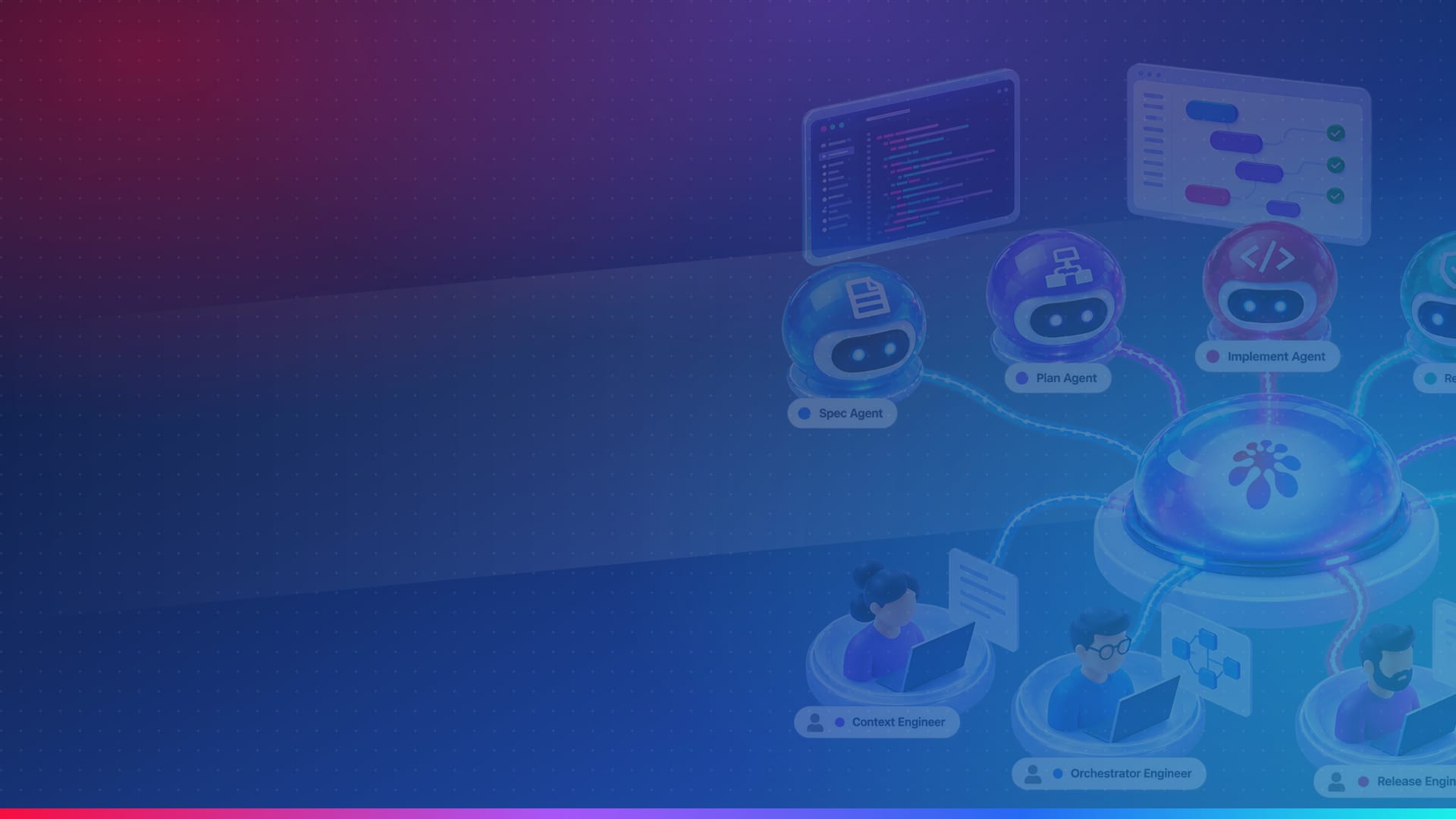
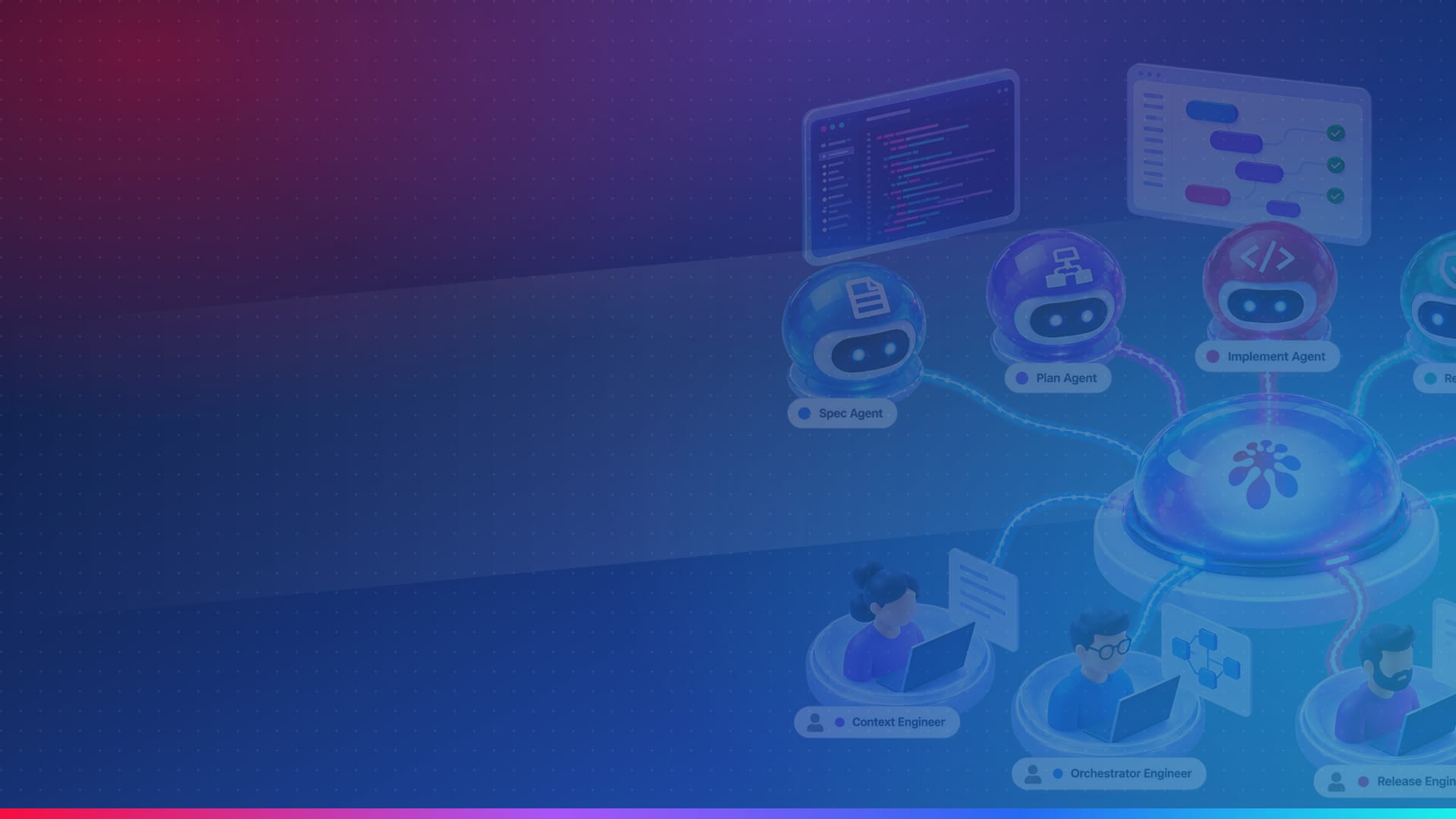
Our core delivery unit is the ArkusNexus AI-Native Development Pod.
Every engineer in a Pod is a senior Product Engineer who takes a requirement from business context to release. The work covers three activities:
- Context: turning goals into a spec agents can execute.
- Orchestration: directing the agents and reading the evidence they produce.
- Release: QA, staging, rollback and production.
Security review runs across every stage and can block a release.
The Pod works through five controlled stages:
Spec. Plan. Implement. Review. Deploy.
Agents carry out the work. Human engineers own every gate. You receive working software, documentation, tested code, shared context, and a complete path to production: not just additional hours.

This model is designed for B2B SaaS and technology companies with an existing product and engineering team that needs more delivery capacity, faster AI adoption, or a practical path to modernize how software is built.
You keep product ownership. We add a prepared delivery system that moves the backlog forward.
Nearshore buyer checklist for 2026
Before selecting a partner, confirm that you have:
- A clearly defined engagement model
- Named owners for every delivery gate
- A documented AI usage and security policy
- Full or meaningful time-zone overlap
- A plan for context retention and continuity
- Measurable delivery and quality metrics
- Clear IP, pricing, and escalation terms
- A realistic ramp-up timeline
- Production ownership: not only code delivery
- A team structure that matches your roadmap
Nearshore software development is now a decision about operating leverage. The right partner gives you more than access to talent. You get senior judgment, AI-accelerated execution, controlled releases, and accountable progress against the backlog.
Bring the backlog you have today. Talk to an ArkusNexus engineer and review how an ArkusNexus AI-Native Development Pod would take it from spec to production.