In the modern software landscape, raw model intelligence is no longer the sole bottleneck. While Large Language Models (LLMs) and autonomous agents possess remarkable reasoning capabilities, placing an unconstrained model directly into production environments often leads to non-deterministic behavior, context drift, and unreliable outputs.
Enter Harness Engineering in AI: the emerging software engineering discipline focused on building the architectural scaffolding, context wrappers, execution sandboxes, and continuous evaluation loops that allow AI models to operate safely, deterministically, and effectively at scale.
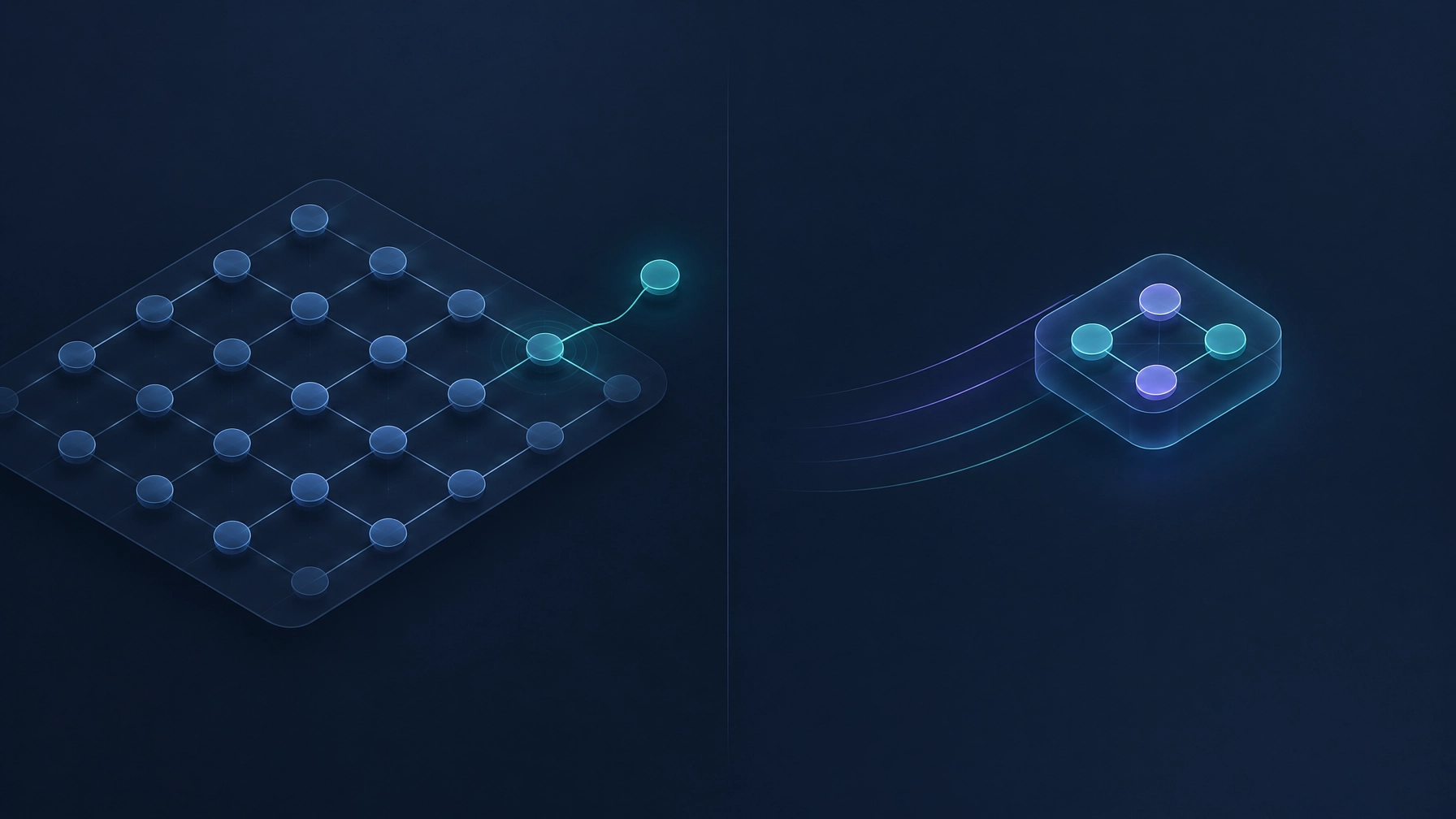
If prompt engineering is about telling an AI model what to think, harness engineering is about building the environment in which it operates.
What is Harness Engineering in AI?
At its core, a harness is the surrounding software infrastructure that sits between an AI model, the human user, and underlying enterprise systems.
A raw model is essentially a pattern-matching engine with a context window. Without structure, it operates in a vacuum. Harness engineering designs the deterministic boundaries, feedback mechanisms, and tool integrations that transform raw model capabilities into robust, enterprise-grade automated workflows.
Architectural Layout Diagram Concept
┌──────────────────────────────────────────────────────────┐
│                    THE AI HARNESS                        │
│  ┌───────────────┐   ┌───────────────┐   ┌────────────┐  │
│  │ Context &     │   │ Tool & API    │   │ Guardrails │  │
│  │ Memory Router │   │ Orchestrator  │   │ & Safety   │  │
│  └───────┬───────┘   └───────┬───────┘   └─────┬──────┘  │
│          │                   │                 │         │
│          └───────────┬───────┴─────────────────┘         │
│                      ▼                                   │
│            ┌───────────────────┐                         │
│            │   LLM / Agent     │                         │
│            │  Inference Engine │                         │
│            └─────────┬─────────┘                         │
│                      │                                   │
│                      ▼                                   │
│            ┌───────────────────┐                         │
│            │ Evaluation &      │                         │
│            │ Feedback Loop     │                         │
│            └───────────────────┘                         │
└──────────────────────────────────────────────────────────┘
The Core Pillars of Harness Engineering
Building an effective AI harness requires solving four distinct engineering challenges:
Context Scaffolding & Dynamic Retrieval
LLMs operate within fixed context windows. Harness engineering builds intelligent context routers that selectively retrieve, compress, and structure only the relevant repository files, database schemas, or historic logs into the prompt prior to inference—preventing context saturation and hallucination.
Deterministic Tool Execution & Sandboxing
Agents must execute code, query databases, or invoke external APIs to accomplish complex tasks. The harness provides secure, isolated execution environments (such as containerized micro-sandboxes) where the agent can run commands safely without risk to production systems.
Guardrails, Steering & Protocol Enforcement
Unchecked AI agents can loop infinitely or drift off-task. An engineering harness enforces runtime constraints—such as token budgets, step limits, structured output schemas (e.g., JSON/YAML enforcement), and policy checks—to guarantee compliance and predictability.
Continuous Evaluation & Self-Correction Loops
When an agent writes code or completes a task, the harness automatically runs unit tests, static analysis tools (like linters), or domain validation rules. If errors occur, the test output is fed directly back into the model's context, allowing the agent to self-correct before presenting a final output to human engineers.
AI vs. Automation: Where Harnessing Fits
| Aspect | Traditional Automation | Raw AI Models | Harness-Engineered AI |
| Logic Rule | Static, rule-based scripts (if/else) | Probabilistic natural language reasoning | Probabilistic reasoning inside deterministic constraints |
| Adaptability | Fails when inputs deviate from predefined rules | High adaptability, low consistency | High adaptability with strict output guarantees |
| Error Handling | Hard stops on unexpected exceptions | May fabricate plausible-sounding answers | Automated feedback loops force self-healing |
| Enterprise Readiness | High reliability, low flexibility | Low reliability, high flexibility | High reliability, high flexibility |
The Engineering Challenge: Managing Non-Determinism
The primary hurdle in enterprise AI integration is that generative models are naturally non-deterministic. A harness turns non-deterministic inputs and model behaviors into standardized, reliable engineering outputs.
Golden Rule of Harness Engineering: Treat the model as an unreliable subprocess. The harness must validate every input, sandbox every execution, verify every output, and enforce hard limits on compute and context.
By establishing strict protocol standards around LLMs—such as schema-enforced tool calls, automated linting pipelines, and multi-turn verification cycles—development teams can safely delegate complex engineering tasks to AI agents without sacrificing code quality or security.
Why Harness Engineering is the Next Tech Frontier
As raw LLM intelligence continues to commoditize, competitive advantage shifts from which model a company uses to how well engineered the model's environment is.
Building an effective harness transforms raw, speculative AI interactions into repeatable enterprise capabilities—liberating software engineers to focus on architectural innovation while automated agent harnesses handle execution, verification, and integration.